Blog ·
The Art of Creating Memorable Food Experiences
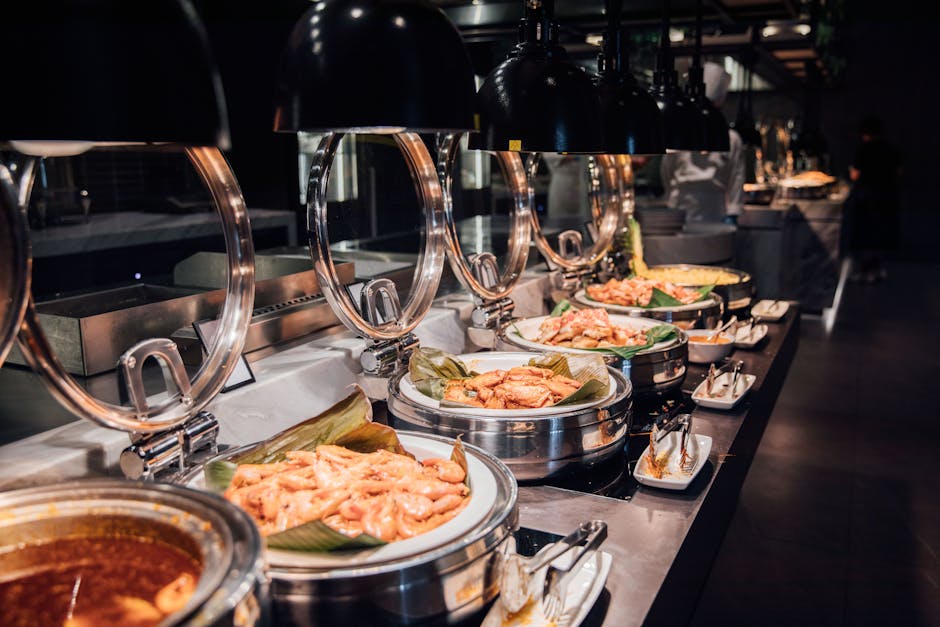
The Art of Creating Memorable Food Experiences
The difference between a good meal and an unforgettable culinary experience lies in intentionality. When you understand that dining is sensory storytelling, every element—from ingredient selection to final presentation—becomes an opportunity to delight and engage your guests.
Quality Ingredients Are Your Foundation
Excellence begins before cooking starts. Source the finest ingredients your budget allows. Seasonal produce offers superior flavor and connects diners to the time and place of their meal. Build relationships with local suppliers who can provide consistent quality. When you taste the difference between ordinary and exceptional ingredients, you'll understand why this investment matters.
Presentation Tells a Story
We eat with our eyes first. Consider color balance on the plate—vibrant vegetables beside protein, garnishes that serve purpose beyond decoration. Height and white space prevent plates from appearing cluttered. Each component should have intentional placement. Your plating technique communicates that someone cared about this meal's presentation.
Engage Multiple Senses
Memorable experiences engage more than just taste. Consider aroma—the scent of herbs, caramelized elements, or warming spices heightens anticipation. Texture variety prevents monotony: crispy elements against creamy components, tender proteins with crunchy vegetables. Temperature contrasts add complexity. Even sound matters—the crackle of a freshly seared crust or the pop of a cork contributes to the full experience.
Tell Stories Through Your Food
The most memorable meals carry meaning. Explain ingredient origins, cooking techniques, or cultural influences behind your dishes. Did you source this produce from a specific farm? Is this a family recipe with history? Does this dish represent a cuisine you've studied? When diners understand the intention and journey behind their food, they connect more deeply with the experience.
Create Atmosphere and Pacing
Food exists within context. Lighting, music, temperature, and decor shape how dishes are received. Pacing courses allows time for digestion and conversation. Don't rush from course to course; let the experience unfold naturally. The anticipation between courses heightens enjoyment of what comes next.
Personalize the Experience
Notice details about your guests. Accommodate their preferences without making them feel burdensome. Remember how someone takes their coffee or their favorite flavor profile. Small acknowledgments demonstrate thoughtfulness that transforms service into genuine hospitality.
Crafting memorable food experiences means combining technical skill with genuine care. When you approach cooking as an art form dedicated to creating joy, your guests taste that intention in every bite.